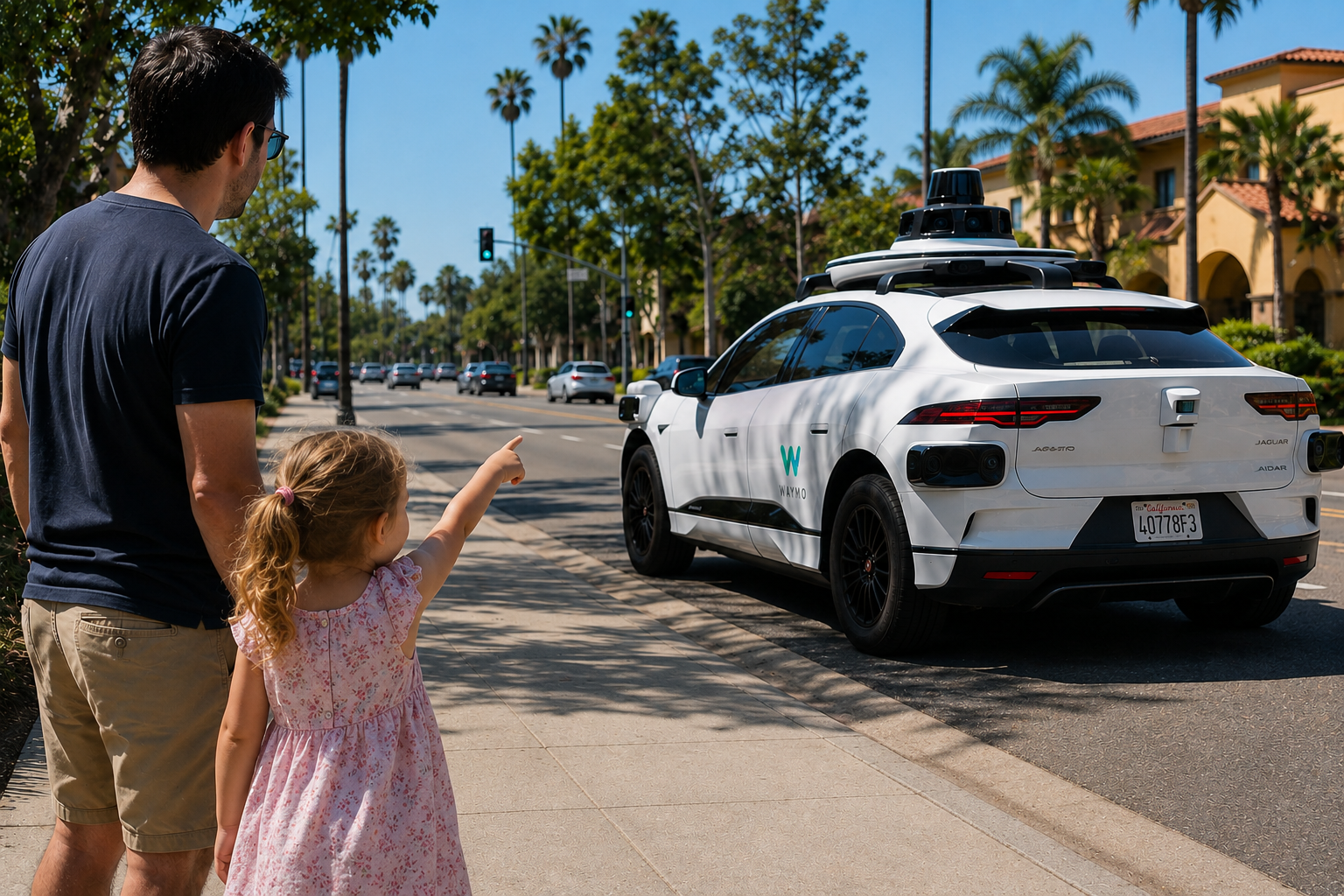
A few days ago, I was walking down the road when a four-year-old pointed at a Waymo and shouted: "Daddy, look! That's a LiDAR car!"
I stopped for a second. A four-year-old knew the word LiDAR.
I keep seeing two types of cars around the Bay Area. One is Waymo: obvious, branded, a robotaxi. The other is a normal-looking car with a sensor box on the roof and no obvious branding. I understood what Waymo was. I did not understand the second type. And I had never really thought about what that equipment actually means or how the technology behind it works.
So I went down the rabbit hole. Two questions drove it:
- What is that equipment on the roof of those normal-looking cars?
- What is the technology behind Waymo and Tesla robotaxis?
Here is what I found.
1. What Are Those Roof-Equipment Cars?
Have you noticed normal-looking cars driving around with equipment on the roof? Some of them look like private cars. They do not have the same public brand presence as Waymo. Then you notice the roof. And it immediately raises questions. Who is driving this car? Is it collecting data? Is it recording people on the road?
The equipment on the roof is usually called a sensor rig. A sensor rig can include cameras, LiDAR, radar, GPS, antennas, microphones, and computers.
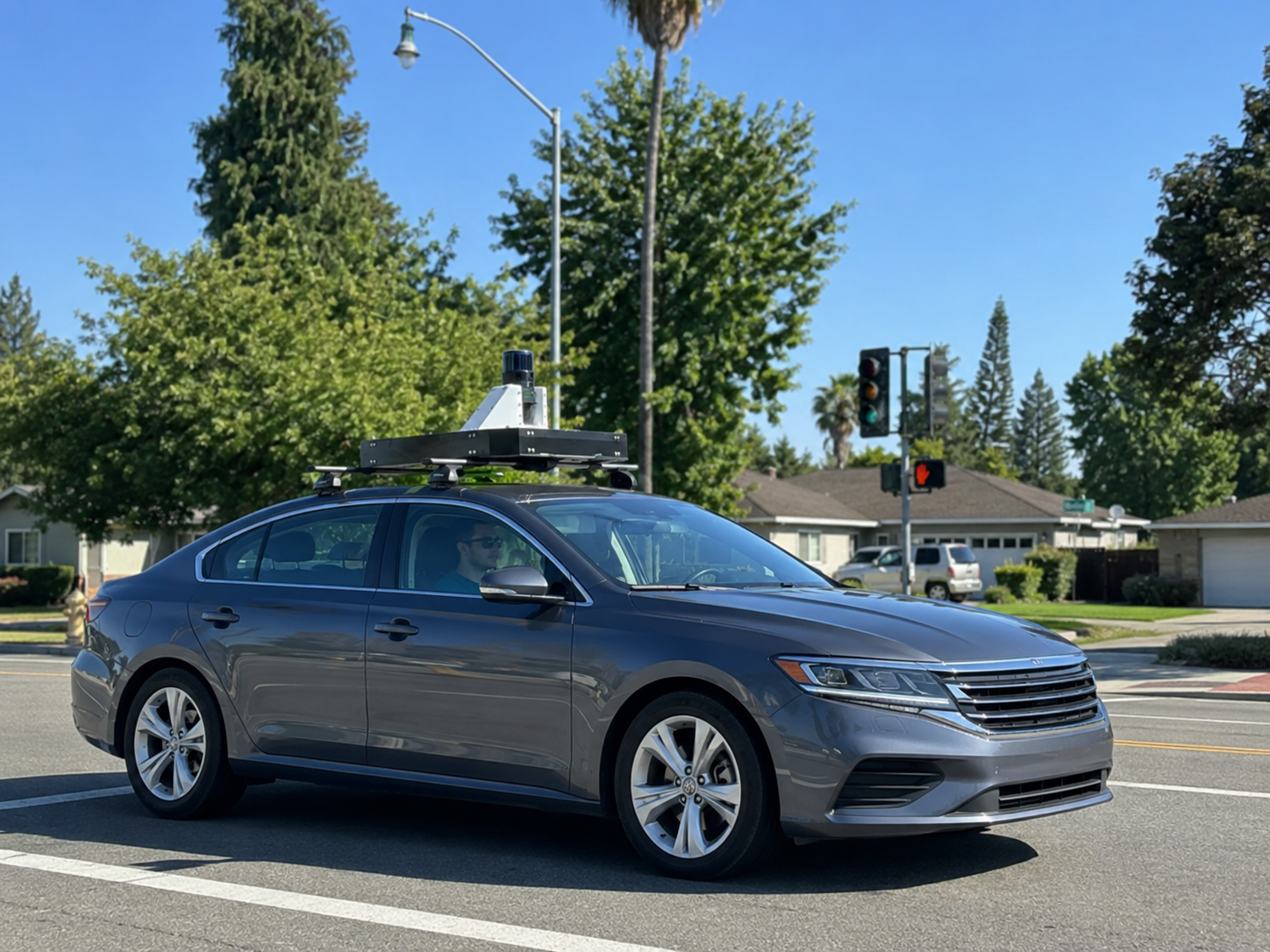
A car with sensors on the roof is not automatically a robotaxi. Sometimes it is just a data collection car helping future systems learn from real roads. The car may be mapping streets, testing driver-assistance systems, or collecting edge cases: unusual real-world situations a system needs to handle, like a pedestrian stepping back mid-crossing, a construction cone in a lane, or a traffic light partly hidden by a tree. Real roads are messy. A self-driving system has to learn from that mess.
2. Who Drives These Cars?
The person inside may look like a normal driver. But they may be a vehicle operator, a data collection driver, or an AV safety driver doing a specific job: driving planned routes, monitoring sensors, collecting road data, and reporting unusual situations.
In many cases, yes, the driver is getting paid. These can be paid roles. The car may look private, but it may be part of a company's testing or data collection fleet.
3. Data Collection Car vs Robotaxi
Once I understood what those normal sensor cars were doing, my next question was about the robotaxis. Waymo and Tesla. What technology powers them, and what makes them different?
Waymo is a robotaxi service. You open the app, request a ride, and the car drives you without a human driver in approved service areas. A Waymo car has to make driving decisions in real time: should it stop? Should it yield? Is that pedestrian about to cross? Is the lane blocked?
The car has to understand the world quickly and safely. That is why Waymo cars have so much equipment.
The roof sensor is only the visible part. The real product is the system behind it. A robotaxi system includes sensors, maps, AI models, data pipelines, safety rules, geofenced operating areas, and human support teams. What you see on the roof is just the front end of something much larger.
As a product person, this is what changed my view. The car is the interface. The real product is the operating system around it: the data collection loop, the safety validation process, the support model, the rollout strategy, and the trust layer. Waymo and Tesla are making different product bets, not just different technical bets.
4. How Waymo Sees the Road
Waymo uses what people call a multi-sensor approach. The car has many ways to understand the road: LiDAR, cameras, radar, GPS, detailed maps, and onboard computers.
Cameras help the car understand traffic lights, lane markings, road signs, pedestrians, cyclists, and road conditions. Roads are visual. But cameras have weaknesses. They can struggle with glare, low light, rain, fog, and shadows.
LiDAR stands for Light Detection and Ranging. It uses laser light to measure distance. It sends light out, the light hits objects, and bounces back. The sensor measures how long that took. From that timing, the car understands how far away things are and builds a 3D picture of the world. It creates a 3D point cloud: shapes and distances.
Radar helps measure speed and movement. It can work in conditions where cameras and LiDAR struggle.
This combination is called sensor fusion. A camera might say: "I see something." LiDAR might say: "Here is the shape and distance." Radar might say: "Here is how fast it is moving." The computer combines all of that to make a safe decision. If one sensor struggles, another may still help. That redundancy is the basic philosophy: give the car more than one way to understand the road.
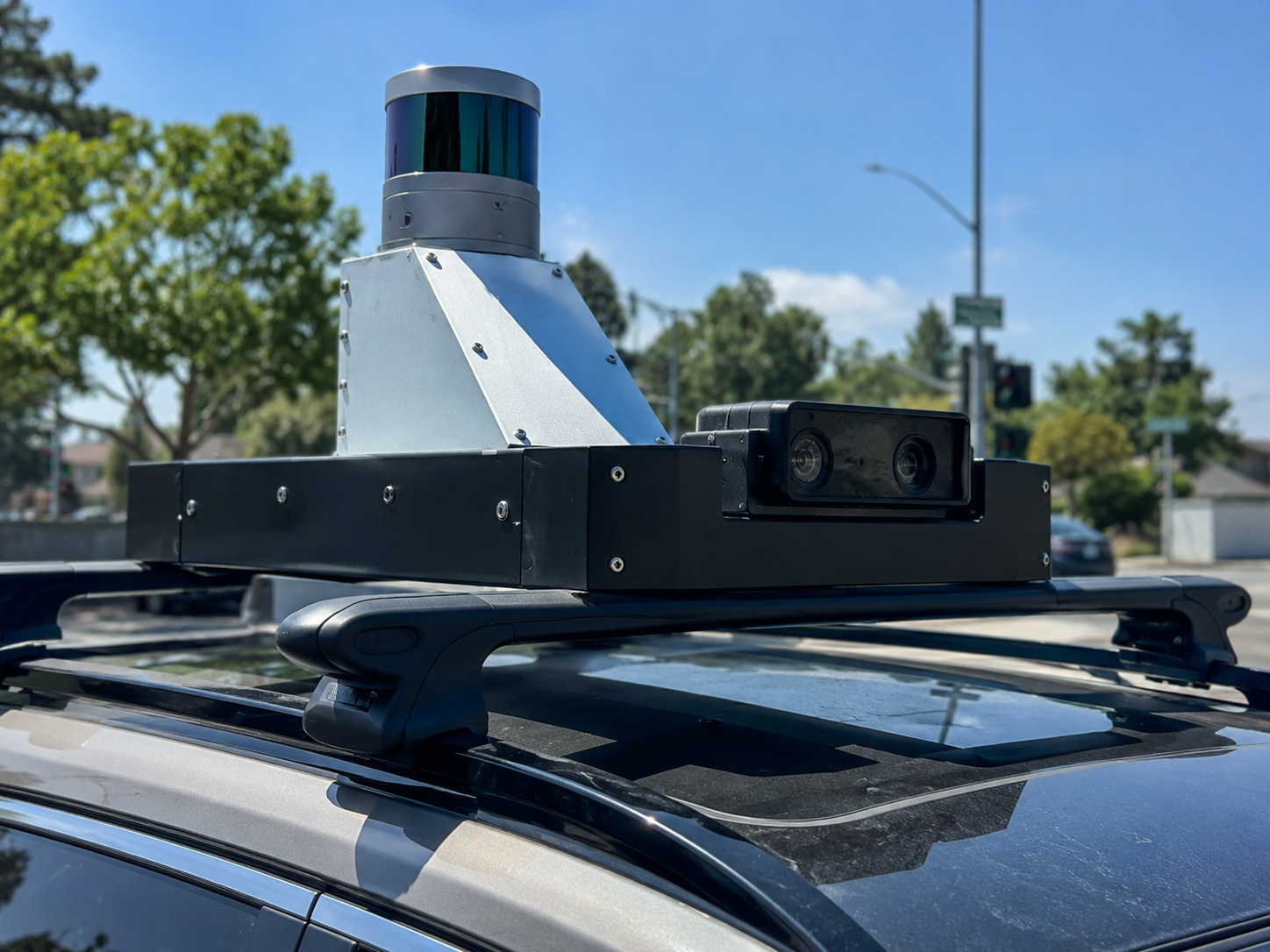
Sensor rig on a car roof.
5. Tesla's Camera-First Bet, and My Read
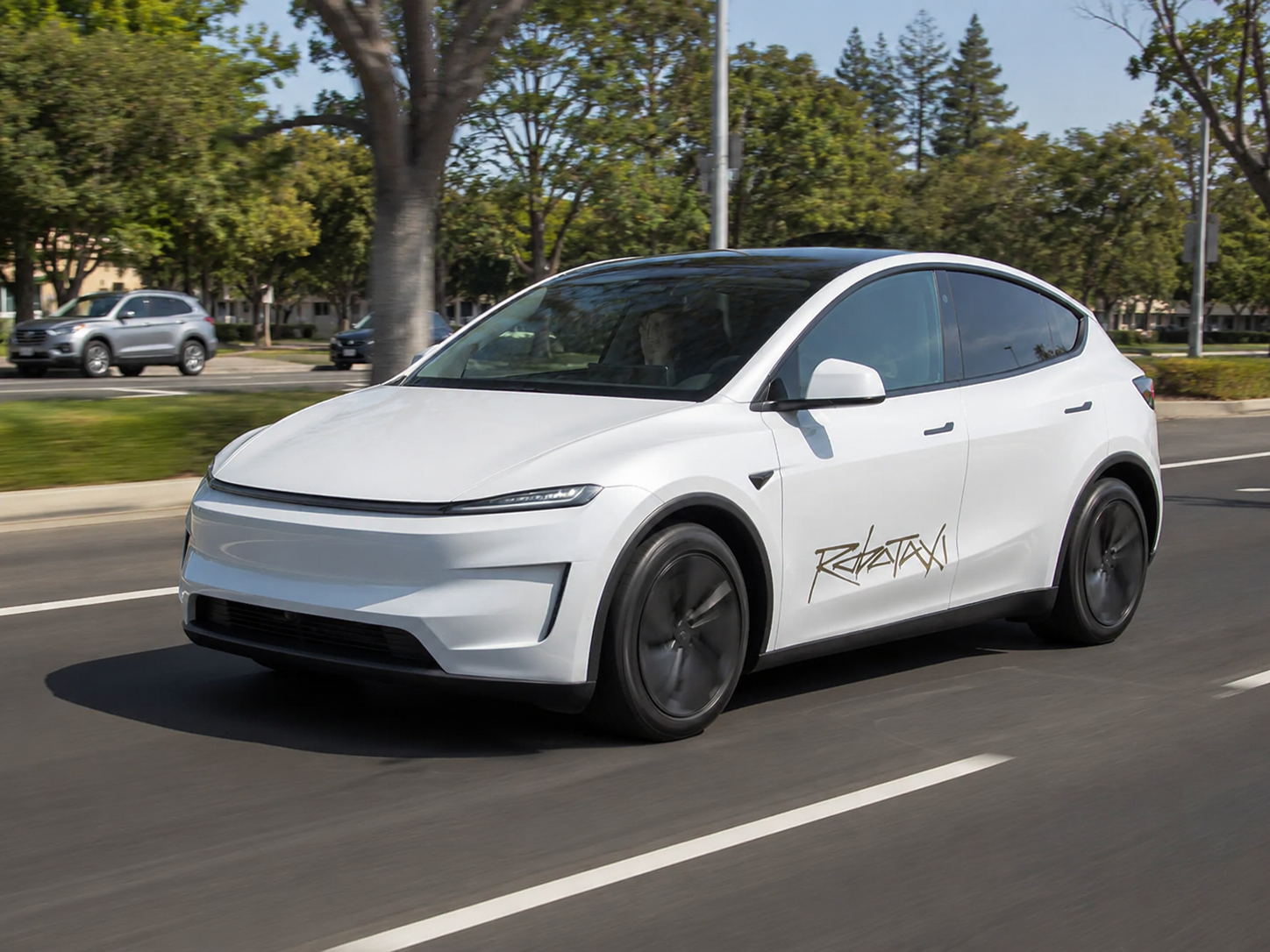
Tesla has taken a very different path. The simple idea is this: humans drive with eyes and a brain. Tesla wants the car to drive with cameras and AI.
Waymo says: "Let's give the car many sensors." Tesla says: "Let's make vision and AI good enough."
Tesla has a real but still limited robotaxi service. Waymo has the more mature fully driverless operation in approved areas. Tesla is testing whether a camera-first approach can scale faster, while Waymo is proving a more sensor-heavy, controlled rollout model.
This is my opinion: Waymo is winning the trust race today. Tesla may have the more scalable dream, but Waymo has the more convincing operating model right now. Tesla is betting that camera-first autonomy can scale faster. But compared with Waymo, the operating record is still early.
From a product strategy lens, Waymo is optimizing for trust first. Tesla is optimizing for scale first. Both matter, but for robotaxis, trust may be the adoption bottleneck before scale.
If I had to put someone I care about in a robotaxi today, I would choose Waymo.
6. Why Self-Driving Is Hard
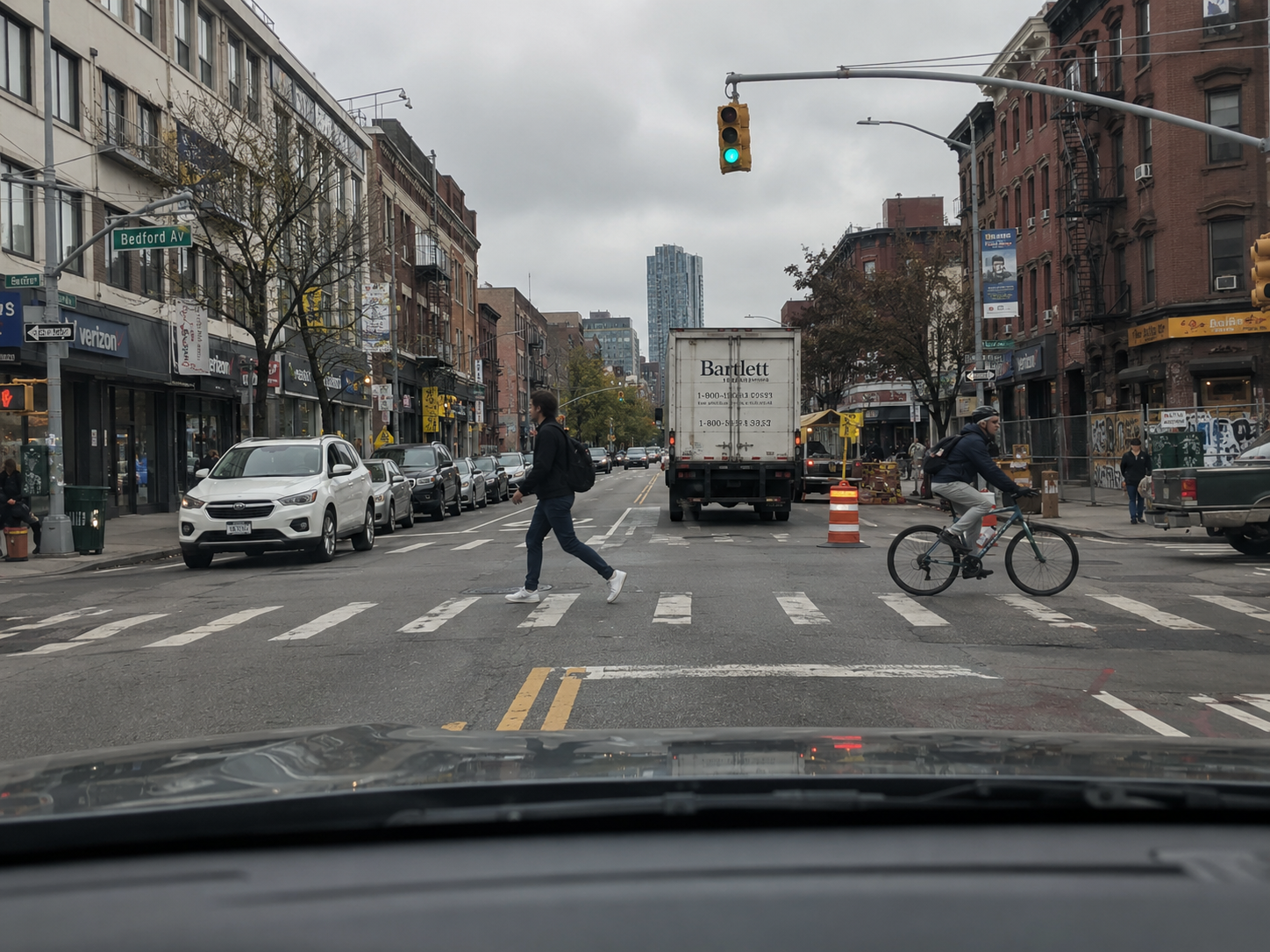
Driving looks easy because humans do it every day. But the road is full of small decisions made constantly. That pedestrian is near the curb. That cyclist may turn. That truck is blocking visibility. That construction zone appeared since yesterday.
A self-driving car has to see the world, understand the world, predict what may happen next, and act safely. All at the same time. In messy real-world conditions with glare, rain, shadows, and unpredictable people. That is much harder than simply staying in a lane.
7. Why Robotaxis Start in Limited Areas
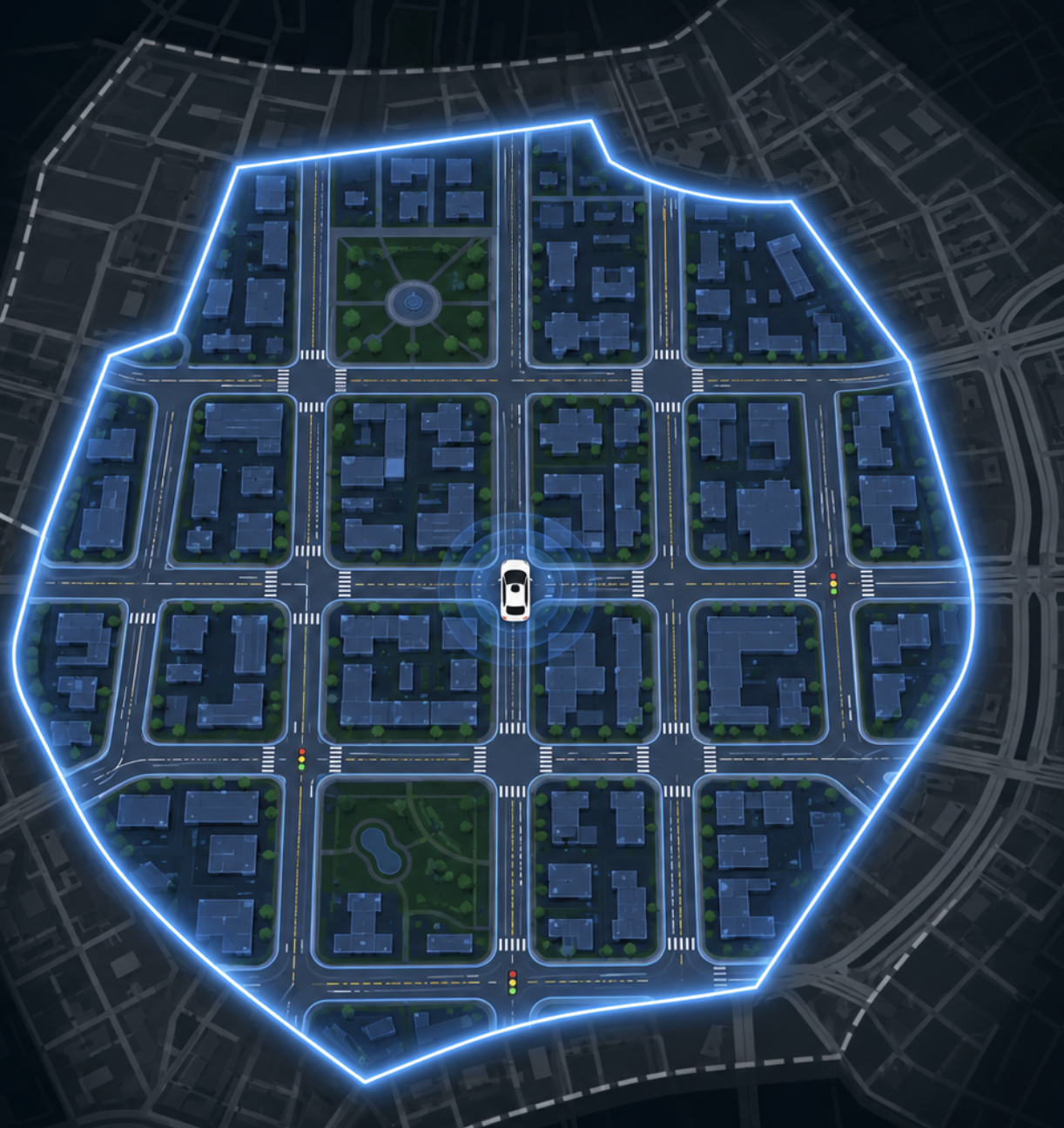
Robotaxis usually start in defined areas called geofences. The company chooses a specific operating area, maps it carefully, tests in it, and expands slowly. Geofencing lets a company improve in a known environment before facing the full complexity of every road everywhere.
Waymo uses detailed maps, real-world testing, and safety validation before expanding. Tesla's vision is different: a system that can scale across many cars and many places with less pre-mapping. If it works, the scale could be remarkable.
8. Public Roads Are Becoming Data Pipelines
This is the part that made me personally uncomfortable.
Once you understand that these cars are covered in cameras and sensors, you start seeing them differently. Before, I saw a Waymo and thought: that is impressive technology. Now I also think: did that car just record me?
Possibly, yes. If a car has cameras, it may capture nearby vehicles, license plates, pedestrians, cyclists, storefronts, and faces. That does not mean anyone is personally watching you. It means you may appear in the raw data.
LiDAR usually does not capture a normal photo of your face. It creates shapes and distances. Cameras can capture real images of real people. So LiDAR may understand that a person is standing near the curb. A camera may capture a real image of that person. That difference matters, and it is where the privacy question becomes more real.
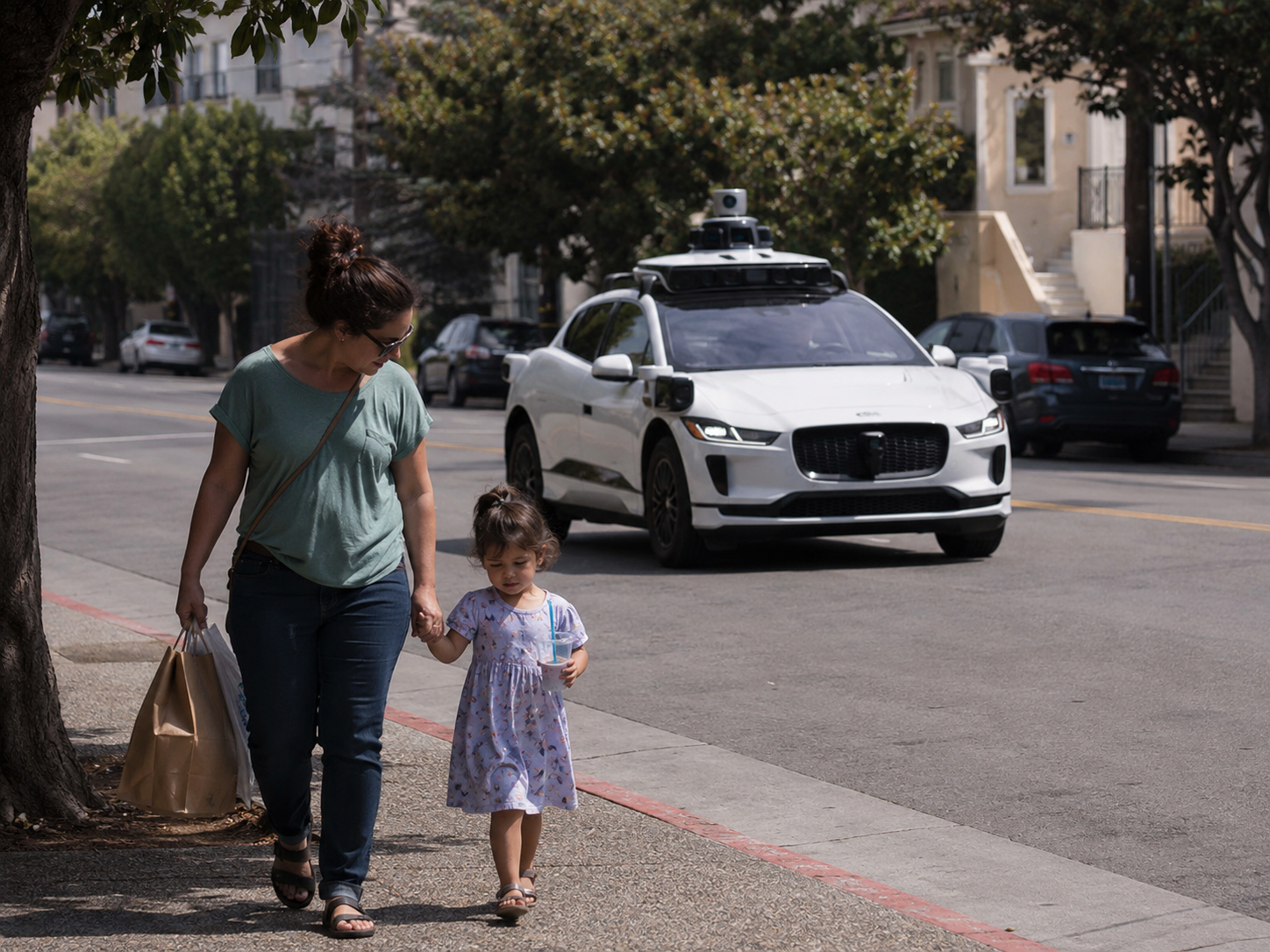
Privacy is also part of the product experience. If people feel confused, watched, or powerless around these cars, that affects trust. And trust is not a marketing detail in autonomy. It is part of the product.
My concern is not that every robotaxi is personally watching everyone. My concern is that public roads are becoming training data, and the rules around storage, deletion, blurring, and law-enforcement access are mostly set by companies, not by the people being captured. What exactly is being recorded? How long is it stored? Who can access it? Did anyone nearby really consent?
In San Francisco, police obtained a warrant for Waymo account data and vehicle footage after a burglary suspect allegedly used a Waymo as a getaway car from a yoga studio. Reporting said the interior video was no longer available, exterior faces were blurred, and the account information did not clearly identify the suspect. The data existed. But what got stored, deleted, blurred, or shared depended on company policies and legal processes that most people on the road never see.
That does not mean every legal request is granted. It does mean the outcome depends on decisions the company made long before any incident occurred.
9. The Bigger Question
I am still excited about self-driving cars. If autonomous vehicles become safer than human drivers, they could save lives, help people who cannot drive, and reduce drunk-driving crashes. That future is worth building.
The real product question is whether the car can drive safely, and whether enough people trust it enough to get in.
But I also think we need to understand what we are normalizing. A self-driving car is a vehicle. It is also a computer, a camera system, a mapping system, and a data pipeline. Sometimes, it may become a moving witness. That is the part I had not fully thought about before.
It started with a four-year-old pointing at a Waymo and shouting: "That's a LiDAR car!"
Some kids are going to grow up with robotaxis as normal street objects. They may know words like LiDAR before many adults understand what those sensors actually do. For them, this may simply be transportation.
For the rest of us, it is worth asking: Who gets to collect data from public roads? Who benefits from that data? Who is protected by it? Who is exposed by it? When cars learn to drive by watching the world, what happens to everyone being watched?
Now when I see one of those roof-equipped cars, I do not just see a sensor box. I see a small preview of a future where cars drive, watch, learn, map, decide, and remember.
And sometimes, a four-year-old may understand what it is called before we do.